
Link to PDF Version of the textbook: https://edition.pagesuite-professional.co.uk/html5/reader/production/default.aspx?pubname=&edid=e1cd063f-2e72-4868-95c3-5910cb88c2cc
Activities:
1. Based on the discussion in class, with your partner, create 2 new questions for each element of critical thinking.
2. Compare the elements of critical thinking to the First People’s Principal of Learning, what are the similarities and differences that you and your partner noticed?
First People’s Principals of Learning: http://3.bp.blogspot.com/-eeqTD2T1G-8/Uo-t9dXAjWI/AAAAAAAAAhk/3wh8_0l4kaE/s1600/First+Nations+Principles+of+Learning.jpeg
3. Canada in the 1900s: Jigsaw Activity:
a) In your assigned group, assign roles such as the writer, summarizer, reader, questioner, etc.
b) Once roles have been assignment, go into your textbook and read the passages on your assigned topic.
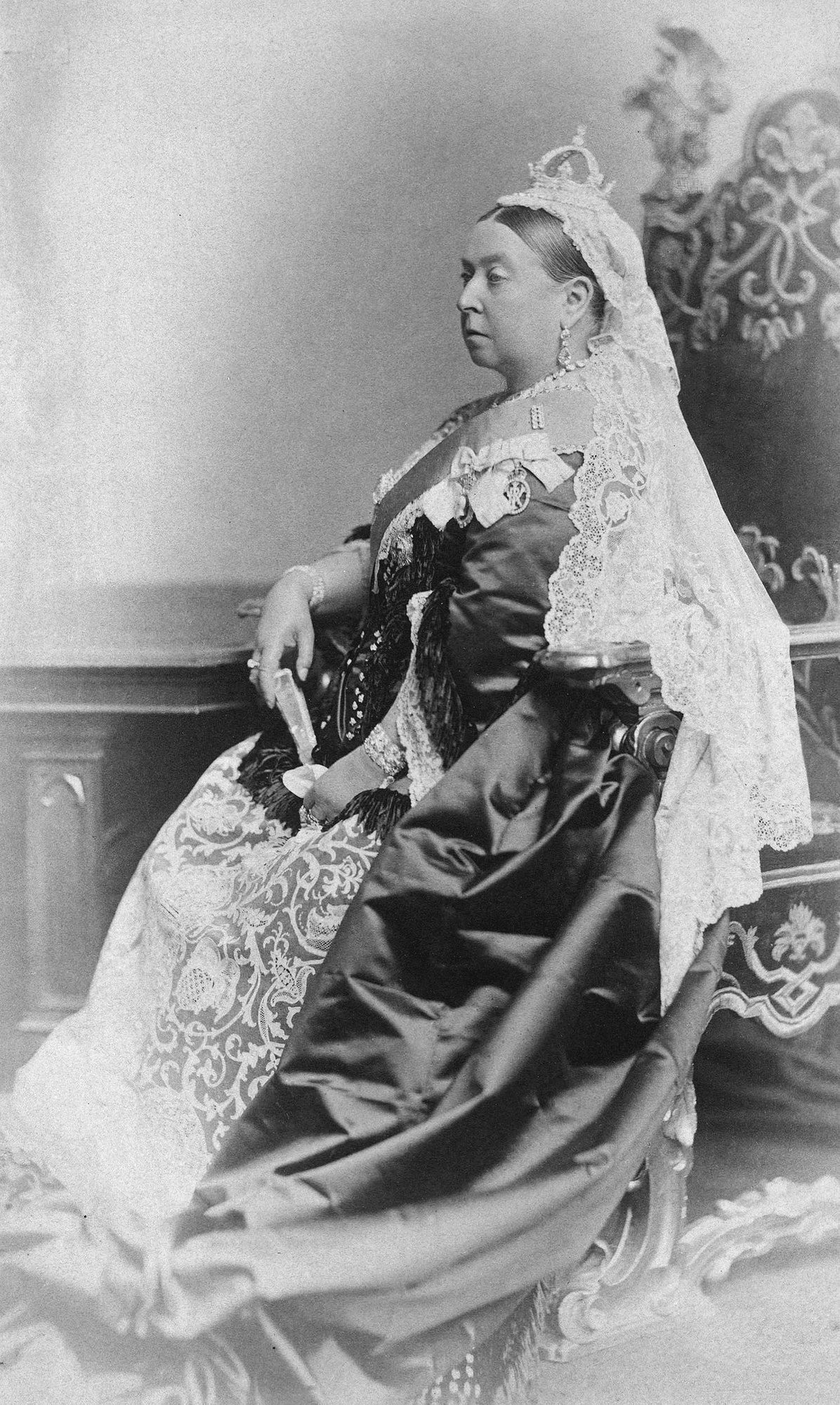
Topics: The Victorian Era Women, Art and Leisure, Ties to Britain, Changing Population (Immigration), Cultural Extinction, Technology
c) Remember to take notes, your notes will be used for discussion and marks after the group activity!
4) Discuss as a class Canada in the 1900s: Create a graphic organizer such as a Brainstorm Map to outline the different topics.
Link: https://gitmind.com
Brainstorm Map will be due at the end of the week!
Marks:
The Victorian Era Women 0/2
Art and Leisure 0/2
Ties to Britain 0/2
Changing Population (Immigration) 0/2
Cultural Extinction 0/2
Technology 0/2
Style/Creativity 0/2
Neatness/Organization 0/2
0/16 Total
 Welcome to Mr. Sha's Class!

Arts and Leisure
1. Arts: express a preference for rural life, simple value and happy ending
Example:
Literature
1) in 1908, Lucy Maud Monygomery published a novel Anne of Green Gables, which is about rural romance in Prince Edward Island.
2) in 1912, Stephen Leacock mocked small-twon Ontario life in his work Sunshine Sketches of a Little Town.
3) Ernest Thompson Seton wrote some moving stories about animals
4) Pauline Johnson read poems about her Mohawk heritage to packed halls
Art:
1) Homer Watson, an Ontario painter, gained international recognition by his farm scenes.
2) Ozias Leduc painted religious works and landscapes with a sense of spirituality.
3)Emily Carr explored landscapes and peoples of West Coast through painting and writing.
2. Leisure: enjoy ooutdoor activities like running, cycling and rowing.
In summer, people trip to the beach. In winter, they go tobagganing.
LikeLike
Women of the Era
1.In the early 1900s,the Woamn’s Christian Temperance Unon, founded in the 1870s,was still actively campaigning for prohibition.These women saw alcohol as the cause of many of society’s problems.
2.They also supported women’s right to vote.With the vote,women believed they could influece the government to address social problems of the day,such as child labour,pollution and poverty.
3.Once married,women had few rights over property or children,and divorce was rare.
4.Women were not con-sidered persons under the law-unless they committed a crims. Even a woman’s salary was legally the property of her husband.
5.Women who worked outside the home,usually before marriage, were employed mainly as servants or factory workers.Some women were teachers and nurses;a few even became doctors.
LikeLike
Ties to Britain (Bradley’s opinion)
1. At the beginning of 20th century, Britain to resolve disputes with other countries.
2. The Britain to resolve that did not have Canada’s best interests in mind.
3. Britain had sold out Canada’s interests to keep pace with the U.S.
4. In 1903, the Lynn Canal incident was resolved. Many Canadians were angered by the British decision.
5. The waterway provided access to the Yukon,where gold had been discovered in 1896.
LikeLiked by 1 person
Ties to Britain
1. At the beginning of 20th century, Britain to resolve disputes with other countries.
2. The Britain to resolve that did not have Canada’s best interests in mind.
3. Britain had sold out Canada’s interests to keep pace with the U.S.
4. In 1903, the Lynn Canal incident was resolved. Many Canadians were angered by the British decision.
5. The waterway provided access to the Yukon,where gold had been discovered in 1896.
LikeLike
After Laurier became minister in 1896, he realized that he need more people in Canada to make it prosper.He let government launched an advertising campaign to attract immigrants to Canada, especially in the west.It was really easy to immigrant to Canada if you are healthy, but not everyone is welcomed. More and more Europeans,Asians and Indians became the racism target for some Canadians just because they are not familiar to speak English.Some of Canadians think we took their jobs and resources.
LikeLike
Technological
1.The telephone vented in 1870s. In the 1900s, the telephone was increasingly popular.
2.The father of Radio is Fessenden. In 1906, he made the first broadcast of music and voice.
3.Guglielmo Marconi invented the wire less telegraph. In 1901, he receives the first wireless radio message sent across the ocean, at signal Hill in Newfoundland.
4.The bicycle craze. When one in 12 people owned a bicyle. Bicycles liberated women from restrictive clothing and from chaperones.
5.Air travel.The Wright Brother made the first airplane flight in the US in 1903. In Canada, Alexander Graham Bell and Douglas MCUrdy developed the Silver Dart, a gasoline-powered airplane.
LikeLike