Will Elon Musk’s Neuralink Shape the Future of Humanity?
Please read the article and prepare to offer your thoughts on it for Monday’s Debate, thanks!

Will Elon Musk’s Neuralink Shape the Future of Humanity?
Please read the article and prepare to offer your thoughts on it for Monday’s Debate, thanks!
Human Geography 12 -Research Project
Time Frame:Anytime, prefer more recent (approximately, some leeway can be given)
Focus: Human Geography 12
Purposes:
o To inquire about a subject of your interest by creating an essential question that will anchor your work
o To research that subject and present your findings
o If possible, to use primary sources as well as secondary in your research process
o To explore the impact of your topic on the generation in which it occurred as well as on your current generation, GEN Z
Products:
o Research notes, point form, with textual references included
o A final Works Cited, on a separate page, listing all of the sources you USED, not consulted
o Interview with Teacher, or Teacher-librarian about your topic, research and question(s)
o Final presentation of 5-10 minutes duration with some form of visual—poster, slide show, reenactment, performance, political cartoon, 3-D manipulative, “Heritage Minute” style video…
Topic to focus on (There are so many different topics you can choose, here’s a a few ideas):
Is Geography a Science?
Similarly and differences between geographic spaces, why?
Sustainability and Actions
Population Increase, challenges and distributions
Thomas Malthus Theory of Population Growth
Reasons for Migration
Challenges to Folk and Popular Culture Sustainability
Will languages survive in the 21st Century
Topics Already Picked:
Allen-Food and Agriculture. Comparing the similarities and differences between North America and Asia in how food is produced, and the different method of agriculture in different societies.
Charon-Comparing and contrasting the differences and similarities between Asia and the Middle East in celebrating holidays for the spring season. Popular and Folk Culture-Political Geography
Ivy-Language-Migration of Indo-European and Sino-Tibetan language to other space and places. Cause and effects of rising languages, how these language are distributed and concentrated.
Kevin-Population Increase, challenges and distributions. Comparing and contrasting population changes, challenges, and distributions between developed and developing counties.
**Coraline – Migration patterns for the Middle East from the 1900s-Present, Reasons for Migration
Thesis: In the 1900s, Middle Eastern Immigrants face many challenges after migrating into a new country, these challenges that they face includes adapting to the new environment, learning the native language.
Essential Questions:-What are the most populator destinations in the United States for immigrants coming in from the Middle East during the 1900s? Why?
-why New York and Ellis Island were the gateways for a large number of immigrants coming from the Middle East?
-What are the most popular destinations for migrants in the Middle East during the 1900s, What are the most significant factors of why is United Arab Emirates a top destination for migrants during this time.
**Sofia- Population and Health patterns for Canada over the past 100 years, Compare and Contrast, Cause and Effect
Thesis: The pandemic and the economic events and education will effect the population and health
During the 20th century in Canada, the development of education affected population and health in Canada.
-How does the population in Canada change in the last 100 years?
-What are the most significant changes in population, and what were the causes?
-What are the most serious pandemic that affected population change in Canada?
– What are the most important factors in education?
– Health?
– Economics? affects Canada’s population?
**Yutong- Conflicts between different religion groups. Specifically between the Christians and Muslims. How did the conflicts arise and resolve overtime in the Middle East. Compare and Contrast, Cause and Effects.
Thesis: The Crusades were a series of religious wars initiated, supported, and sometimes directed by the Latin Church in the Medieval period. These religious wars also represented conflicts between different religious group especially Christian in Europe and Muslim in the Middle East and South Africa. As a result, these conflicts severely affected Western and Middle Eastern culture and society. After the Crusades, the economy, technology, and geographic knowledge were developed in Europe and the Middle East.
Essential Questions:1. -What are the strongest arguments or beliefs of how the Crusades started?
2. -What are the most important effects of Crusades on other populations and groups?
3. -In the war, who was the vital leader.
In the Crusade, various countries and group has attend in. On the other hand, many countries have changed their parts more than once because of the time span.
4. -what are the most important or significant motivation for the crusade?
5. -What are the strongest arguments or beliefs of how the Crusades started?
6. – After the Crusade, what vital and significant changes appeared in the Middle East?
7. -What are the strongest arguments or beliefs how Islam started?
8. -What are the most important effects of Islam on other populations and groups?
–

https://history.ubc.ca/…undergraduate/writing-centre/ – (remove 3 dots) – Essay Guide from UBC
Thesis Statement Examples:
https://examples.yourdictionary.com/thesis-statement-examples.html
How to write a Thesis:
Thesis Statements
http://crowleyhistory12.weebly.com/thesis-statements.html
https://www.ereadingworksheets.com/e-reading-worksheets/school-project-ideas/
Time Frame: 1920s-2000 (approximately, some leeway can be given)
Focus: Canada (Canadian connections/relations)
Purposes:
Products:
TONY***
Impact of Globalization -‐ global economics, but also culture, politics, and communications
1. Which specific countries worldwide had a significant impact on Canadian policies and cultures.
2. What were foreign pressures about?
3. What are the important reasons of why they targeted Canada?
4.What were the most significant effects that these foreign pressures had on Canadian society?
5.What are the most essential or important responses of how Canada dealt with these foreign pressures?
6. Did these responses have a positive or negative effect on Canadian society? If so, what were the most significant positive or negative effects?
7. What were the most popular responses from the Canadian citizen over these foreign pressures. Did all Canadians have similar responses, or were the responses very different from each other?
IVY***
Canadian culture in the 20s and 30s – Ivy
1. What are the important events prior to the 1920s which had an significant effect on the Roaring 20s
1.b) and Dirty 30s in Canada?
2. What were the most important events that affected Canadians in the 20s and 30s?
3. What are the most important factors that caused the Great Depression in Canada?
4 .What significant changes did the Great Depression bring to Canadian society? To what effect?
b) What important factors effected the economy?
5. What important factors led to a rise in Women’s rights in the 1930s?
6. What are most popular perceptions of Women’s rights during that period?
7. What are the most important beliefs that Generation Z have about the 1920s.
8.. What are the most significant changes in today’s culture compared to the 20 ‘s and 30’s?
9. What important aspects of society have changed?
10. What significant factors affected the change in Canada’s perception of the world and their own communities?
CRANE***
Canadians and the Great Depression – Crane
1. What were the most popular solutions that countries worldwide had towards the Great Depression? Why were these responses popular?
2. What are the significant responses from Canadian worker towards relief camps?
3. What are the most important reasons why workers did not like relief camps?
3b. What’s Canadian government’s reaction to the protestor, why?
4. Which of these popular responses had a positive effect on their communities? ? What are the most significant reasons why these responses worked?
5. What significant influences did United States have on Canadian economies during the Great Depression. Were these influences advantageous or disadvantageous towards Canadians?
6. What was one of the most significant economic problems that Canada had during 1920s.
10 What was the most significant policies of R.B Bennett that affected Canadians during the Great Depression?
CORALINE***
Quebec Nationalism -‐ causes and examples
1. What are the most significant or influential impacts that Quebec nationalism has had on Canadian identity?
2. What are some major factors in Quebec’s secessionist movement experiencing a comeback?
3. What are the greatest factor/events that led to Quebec nationalism in the province?
4. In Canada today, is the topic of Quebec sovereignty still an issue for Canadians and Quebecers?
5. Has Quebec nationalism succeeded?
6. .Why did nationalism grow in Quebec?
7. What was the impact of Quebec nationalism on Canadian identity?
8. What significant concerns about economic and cultural assimilation did Quebec nationalism strongly opposed for free trade with the United States?
Canada’s Injustices and Apologizes: Things our government has said sorry for and why
Benny***
1. What are the most important events or apologies that the Canadian government need to apologize for in Canada?
2.. What are the most important features of the Liberal party?
3. What are the most significant influences that the Liberals have done for Canada 1940s-2000s?
4. What a the major arguments and criticisms towards the Liberal party and their policies throughout these years?
5. What are the major reasons why the Liberals rejected the Jewish refugee boats?
-When did the liberals apologize?
-Who is the government of Canada? -What are the major reasons to their rise and popularity?
-Some critics argue that Canada’s apologies over the years were just to save face for the government rather than intentionally apologizing, what do you think about this?
TIM***
Canadian culture in the 60s & 70s, protests, lifestyle, etc. – Tim
SOFIA***
Women’s movement and rights in the postwar era (Canada) -Sofia
1.
Time Frame: 1900s-2000 (approximately, some leeway can be given)
Focus: World History 20th Century(Canadian connections/relations)
Purposes:
o To inquire about a subject of your interest by creating an essential question that will anchor your work
o To research that subject and present your findings
o If possible, to use primary sources as well as secondary in your research process o To explore the impact of your topic on the generation in which it occurred as well as on your current generation, GEN Z
Products:
o Research notes, point form, with textual references included
o A final Works Cited, on a separate page, listing all of the sources you USED, not consulted o Interview with Teacher, or Teacher-librarian about your topic, research and question(s)
o Final presentation of 5-10 minutes duration with some form of visual—poster, slide show, reenactment, performance, political cartoon, 3-D manipulative, “Heritage Minute” style video…
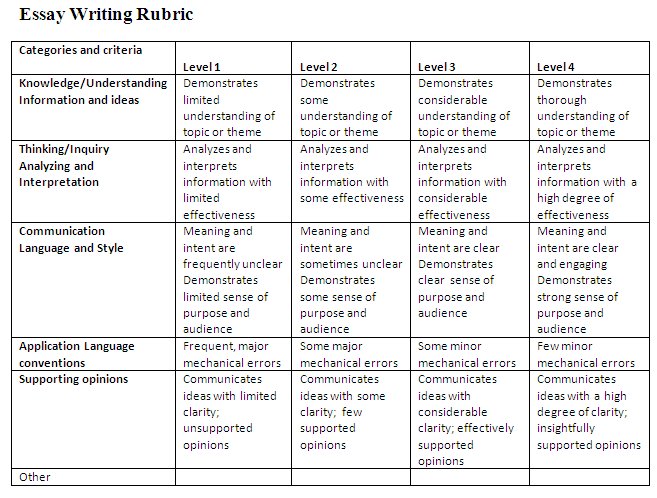
Adjectives to add into essay – https://i.pinimg.com/736x/76/06/e9/7606e947b0a1f1c244bc7e9a32bae0a9.jpg
Coraline***
United States and Russia in the Cold War
1.. What are the greatest factors that caused the Cold War and it’s end?
2. What are the most significant/critical roles that the USSR have played in the Cold War, militarily, economically, and socially?
3. Which major factors during the Cold War contributed the rise of the United States as a global superpower?
4. What specific social, cultural, political, and economic changes have occurred in the lives of Americans and Russians during the Cold War?
5. What are the most significant changes in United States and USSR at the end of the Cold War?
6. What were the most important events that affected Russians during he Cold War? And do the legacies of these events still affect Russians today?
T: The relationship between the United states and Russia has changed a lot since the Cold War
T: Relations between the Soviet Union and the United States during the Cold War were driven by a complex interplay of ideological, political, and economic factors; which resulted into competition, rivalry, and distrust of each other during the this period.
Sandara***
China in the 20th Century to Today
1. What essential factors led to China’s emergence from its isolation in 1900s?
2. What are the most significant/critical roles that China played in World War One and World War Two, militarily, economically, and socially?
3. What major roles did Chinese women play in World War One and World War Two, and how did their participation in the war manifest in china’s social system during that time?
4. What specific social, cultural, political, and economic changes were developed in the lives of the Chinese people during World War One and Two?
5. What are the most significant factors which led to China become a great power today?
6. What significant effects did The Students’ Revolution have in China during World War One and World War Two? And do the legacies of these events still affect Chinese people today?
T: China has been developing from the 20th century to the present, militarily, politically and economically. After the revolution of 1911, the first and second world wars and other major reforms, China began to move from an economically closed agricultural society to an industrial one. From feudalism to democracy in politics; In terms of ideology and culture, China has established a corresponding spiritual civilization.
To sum up, China aims to build itself into a prosperous, strong, democratic and culturally advanced modern country.
Thesis examples:
https://history12me.weebly.com/thesis-statements.html
https://examples.yourdictionary.com/thesis-statement-examples.html
Please watch the movie in the link below and answer the following questions. Your response should be about 2-4 sentences for each question to receive full marks.
Remember, the more examples/discussions the better!
Feel free to message me or ask me any questions, thanks!
1. The book Indian Horse is taught in grade 10 across Canada. The film is rated 14A, in most provinces, PG in Alberta. Yet the story of Residential Schools is the story of very young children being taken from their families. Discuss with your students how they might handle introducing these topics when teaching history to younger children.
2. In the later scenes in the film, Saul sees a familiarlooking person laying on a mattress in a laneway in the film. Is this Lonnie? The book and the film do not make it clear if it is or not. Discuss with your class. How does seeing this person affect Saul? What are the author and the filmmakers trying to say with this short scene?
3. On much of the Residential School material, including on the Indian Horse website, contact information is provided for “Residential School Survivor Support Line.” Why do you think this information is needed?
4. “When the present doesn’t recognize the wrongs of the past, the future takes its revenge. For that reason, we must never, never turn away from the opportunity of confronting history together – the opportunity to right a historical wrong.“ Governor General Michaëlle Jean, October 15, 2009. How does this quote relate to Truth and Reconciliation?
5. How does the symbol of hockey play a role in this story? Hockey equals Canada. Does the story affect the way you view hockey and the history of this country? Why was hockey not fully a ‘way out’ for Saul?
6. After a more challenging game a visibly unhappy Saul tells the team captain that “They got shocked seeing Indians skate. It’s their game. Not ours.” The captain responds, “They play for the same reason we do. For the feeling. Nobody owns that.” How might this quote be relevant to the idea of Reconciliation?
7. How does the image of the little plastic Indian figures being thrown onto the ice and the “war whoops” that erupt when Saul is playing affect him? What are some other examples of racism shown in the movie?
8. Does your family or a family you are close to speak another language at home? How would you feel if the government made a decision to erase this language and created policies to remove the freedom to speak with your family?
9. Do you know how many Indigenous languages and dialects are original to the First Nations peoples of the province you live in? Of Canada? How does it make you feel to learn that many of these languages are on the verge of extinction if they are not already gone?
10. How is the land connected to the healing of Saul? What are the various ways the government has removed the land from Indigenous people?
1. Why would the Chinese Communists feel it important to dismantle the religious institutions of a poor remote country?
2. Why did the Taliban destroy priceless artistic works from Afganistan’s ancient past?
3. What is the difference in elevation between Hebron (the largest city in the West Bank) and Tel Aviv ( the largest city in Israel)? Refer to Figure 6-56 on pg 223 of Rubinstein readings.
4. Why is the Western Wall important in Judaism, and why is the Dome of the Rock important in Islam?
1. How is the NATO expansion of a continuation of the Cold War struggle for territory? Why did the expansion anger Russia?
2. There are many legal questions about violating sovereignty in the name of protecting human rights. Can we? Should we? When? Who should do it?
3. What countries do you see as powerhouses in the 21st century? Why? Consider geostrategic positions, military, economy, political culture, etc.
In the following questions, please use terms, conceptions, important figures, and dates of events from the textbook to support you answers.
Remember, this is practice for the final essay so make sure that you provide your own personal opinions and evidence from the readings/videos/discussions in class, thanks!
Essay Questions (Pick 1 Out of the 2, make sure that your response is at least 200 words):
1. What does the designation of intellectual property as a tradable good tell you about the international economy at the end of the twentieth century? Given the trend toward nuclear proliferation, do you think it is possible to prevent nuclear war?
2. What does the outbreak of genocide, ethic cleansing, and terrorist bombings in the 1990s tell you about the nature of the post-Cold War world? Do you think the rise in nationalist violence and the growing number of regional and international organizations signals the end of the nation-state as the most important actor in the international arena?
1. How does the Chernobyl accident demonstrate increasing globalization by the mid-1980s?
2. What does this Solidarity poster tell you about the role of globalization in the unraveling of the Iron Curtain?
3. How did glasnost and perestroika challenge the traditional concept of Soviet communism? Explain why the turn away from communism across Eastern Europe was so sudden. Why was it violent in some countries and peaceful in others?
4. How much of the Cold War decision making was based on Ideology? On military/security concerns? On economic/trade considerations?
5. Did the end of the USSR mean the United States was the only superpower? Or did it completely restructure the international arena?
1. How did Canadian immigration policies and patterns develop between 1960 and 2000?
2. Explain how Canadian model of a cultural mosaic differs from the American model of a melting pot.
3. What impact has computer technology had on Canadian society?
4. How did Canadian youths express their individuality during the late 20th century?
5. Why do you think Canada introduced an official policy of multiculturalism? Do you think the policy had its intended effect? Explain with examples.
1. In your opinion, does Canada have an international role that is different from, and independent of, that of the U.S.? How would you define that role?
2. What effects did the Cuban Missile Crisis and the Vietnam War have on Canada-US relations?
3. How did U.S. policy deal with Cuba after Cuban Revolution? How did Canada’s policy differ?
4. How would you explain the war in Vietnam to someone who knew nothing about it? Answer the following questions: What? Where? When? Why?
Please read pg. 206-217 of Rubenstein and answer the following questions in the comment section. Feel free to email or message me if you have any questions, thank you!
1. What differences appear in the images of a Hindu Temple and Christian Churches?
2. What examples of religious toponyms can you find in your community?
3. What are the different spatial units of administration in the Roman Catholic Church?
4. Based on the lives of the Buddha and the prophet Muhammad, what types of sites are likely to be goals of pilgrimage for the followers of a universalizing religion?
5. What are some of the cultural or religious factors that influence method of disposing of bodies other than burial?
6. Why do some religions organize their annual calendars according to the lunar cycle?
 Welcome to Mr. Sha's Class!