Category Archives: Social Studies 10

Chapter 9 Canadians and their government

House of Commons – https://www.ourcommons.ca/en

Senate of Canada – https://sencanada.ca/en

Liberal Party of Canada – https://liberal.ca/

Conservative Party of Canada – https://www.conservative.ca/

New Democratic Party of Canada – https://www.ndp.ca/

Bloc Quebecois – https://www.blocquebecois.org/

Canada Government Levels Game – https://learn.parl.ca/en/games/game4/index.html

Please complete this survey and hand your result in EDMODO, thanks!

https://www.politicalcompass.org/

Key Issue 3 – Why Do Boundaries cause problems?

Read the following assigned article and summarize the information in one paragraph(who, when, where, why, how) and list them in the comment section below, thanks!

https://www.theatlantic.com/international/archive/2013/09/stop-blaming-colonial-borders-for-the-middle-easts-problems/279561/

https://www.washingtonpost.com/local/western-maryland-secessionists-seek-to-sever-ties-with-the-liberal-free-state/2013/09/08/15e97aa8-1651-11e3-804b-d3a1a3a18f2c_story.html?hpid=z8

Chapter 2 – Canada and the First World War

https://www.veterans.gc.ca/en/remembrance/wars-and-conflicts/first-world-war

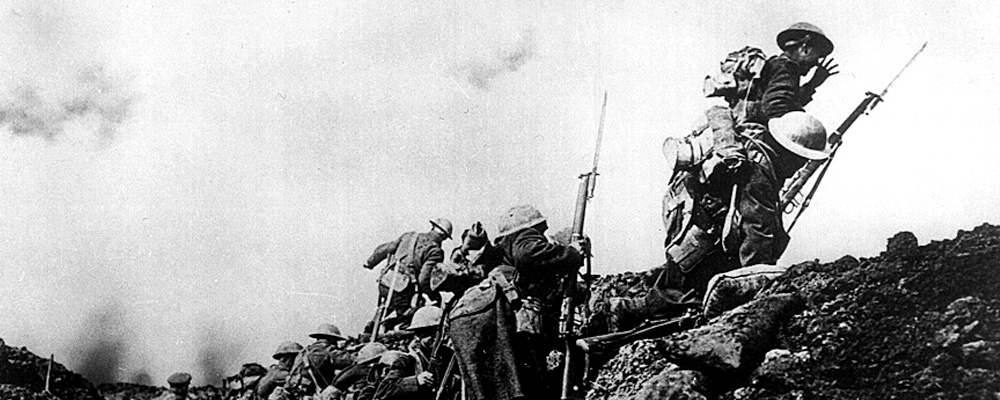
Picture from: https://www.veterans.gc.ca/en/remembrance/wars-and-conflicts/first-world-war

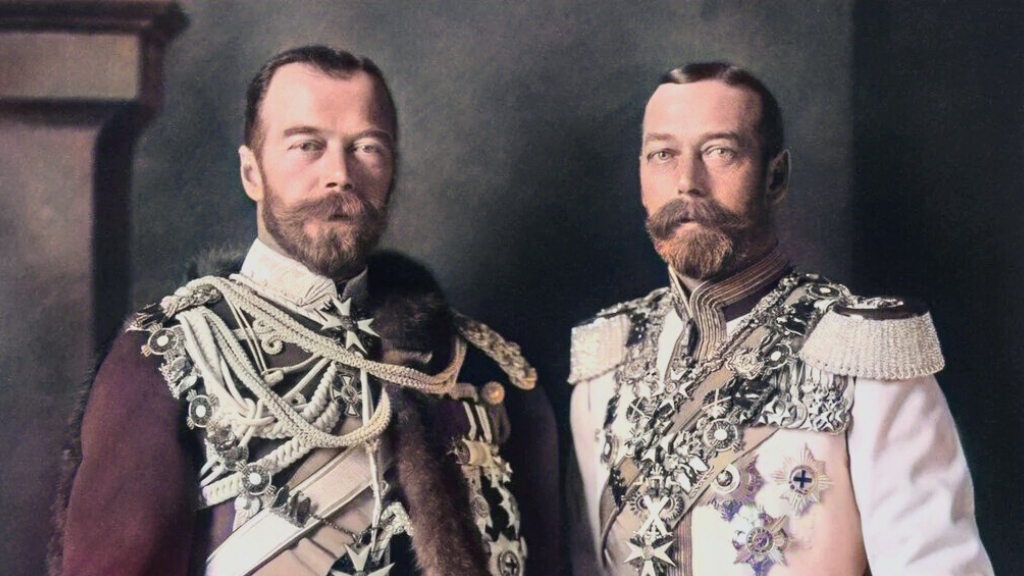
Picture from https://afisha.london/en/2023/06/02/nicholas-ii-and-george-v-a-history-of-friendship-and-duty/

Counter Points – pg. 55 Did the War have a positive or negative effect on Canada? Work with a partner to answer the following questions 1-3.

Chapter Review Questions – 1, 3, 7, 9, 12

Current Events Presentation Schedule

Allen-

https://www.bbc.com/news/world-us-canada-54144651

Benny-

https://www.cbc.ca/news/world/u-s-bans-wechat-tiktok-1.5729249

Bradley

https://www.ctvnews.ca/politics/second-covid-19-wave-has-already-started-pm-in-address-to-nation-1.5117465

Chris

Phoebe- https://www.cbc.ca/news/canada/montreal/joyce-dominique-one-year-after-publication-viens-report-1.5743501

Nancy – https://www.iqair.com/ca/blog/wildfires/washington-oregon-fires-choke-northwest?utm_source=taboola&utm_campaign=Wildfires_BC_DMobile&utm_term=BCdirtiestair&utm_content=referral&tblci=GiDPdJ8QbeCx6d-dPVPGCi0kZKfGESXiVnqxO7Wr_5AumSCSjD8#tblciGiDPdJ8QbeCx6d-dPVPGCi0kZKfGESXiVnqxO7Wr_5AumSCSjD8

Unit 1: Canada in Transition: A Nation Emerges

Link to PDF Version of the textbook: https://edition.pagesuite-professional.co.uk/html5/reader/production/default.aspx?pubname=&edid=e1cd063f-2e72-4868-95c3-5910cb88c2cc

Activities:

1. Based on the discussion in class, with your partner, create 2 new questions for each element of critical thinking.

2. Compare the elements of critical thinking to the First People’s Principal of Learning, what are the similarities and differences that you and your partner noticed?

First People’s Principals of Learning: http://3.bp.blogspot.com/-eeqTD2T1G-8/Uo-t9dXAjWI/AAAAAAAAAhk/3wh8_0l4kaE/s1600/First+Nations+Principles+of+Learning.jpeg

3. Canada in the 1900s: Jigsaw Activity:

a) In your assigned group, assign roles such as the writer, summarizer, reader, questioner, etc.

b) Once roles have been assignment, go into your textbook and read the passages on your assigned topic.

Topics: The Victorian Era Women, Art and Leisure, Ties to Britain, Changing Population (Immigration), Cultural Extinction, Technology

c) Remember to take notes, your notes will be used for discussion and marks after the group activity!

4) Discuss as a class Canada in the 1900s: Create a graphic organizer such as a Brainstorm Map to outline the different topics.

Link: https://gitmind.com

Brainstorm Map will be due at the end of the week!

Marks:

The Victorian Era Women 0/2

Art and Leisure 0/2

Ties to Britain 0/2

Changing Population (Immigration) 0/2

Cultural Extinction 0/2

Technology 0/2

Style/Creativity 0/2

Neatness/Organization 0/2

0/16 Total

Social Studies – Generational Project

Time Frame: 1920s-2000 (approximately, some leeway can be given)
Focus: Canada (Canadian connections/relations)
Purposes:

  1. To inquire about a subject of your interest by creating an essential question that will anchor your work
  2. To research that subject and present your findings
  3. If possible, to use primary sources as well as secondary in your research process
  4. To explore the impact of your topic on the generation in which it occurred as well as on your current generation, GEN Z

Products: 

  1. Research notes, point form, with textual references included
  2. A final Works Cited, on a separate page, listing all of the sources you USED, not consulted
  3. Interview with Teacher, or Teacher-librarian about your topic, research and question(s)
  4. Final presentation of 5-10 minutes duration with some form of visual—poster, slide show, reenactment, performance, political cartoon, 3-D manipulative, “Heritage Minute” style video…

TONY***

Impact of Globalization -‐ global economics, but also culture, politics, and communications

1. Which specific countries worldwide had a significant impact on Canadian policies and cultures.


2. What were foreign pressures about?

3. What are the important reasons of why they targeted Canada?


4.What were the most significant effects that these foreign pressures had on Canadian society?


5.What are the most essential or important responses of how Canada dealt with these foreign pressures?


6. Did these responses have a positive or negative effect on Canadian society? If so, what were the most significant positive or negative effects?


7. What were the most popular responses from the Canadian citizen over these foreign pressures. Did all Canadians have similar responses, or were the responses very different from each other?

IVY***

Canadian culture in the 20s and 30s – Ivy

1. What are the important events prior to the 1920s which had an significant effect on the Roaring 20s

1.b) and Dirty 30s in Canada?

2. What were the most important events that affected Canadians in the 20s and 30s?

3. What are the most important factors that caused the Great Depression in Canada?

4 .What significant changes did the Great Depression bring to Canadian society? To what effect?

b) What important factors effected the economy?

5. What important factors led to a rise in Women’s rights in the 1930s?

6. What are most popular perceptions of Women’s rights during that period?

7. What are the most important beliefs that Generation Z have about the 1920s.

8.. What are the most significant changes in today’s culture compared to the 20 ‘s and 30’s?

9. What important aspects of society have changed?

10. What significant factors affected the change in Canada’s perception of the world and their own communities?

CRANE***

Canadians and the Great Depression – Crane

1. What were the most popular solutions that countries worldwide had towards the Great Depression? Why were these responses popular?

2. What are the significant responses from Canadian worker towards relief camps?

3. What are the most important reasons why workers did not like relief camps?

3b. What’s Canadian government’s reaction to the protestor, why?

4. Which of these popular responses had a positive effect on their communities? ? What are the most significant reasons why these responses worked?

5. What significant influences did United States have on Canadian economies during the Great Depression. Were these influences advantageous or disadvantageous towards Canadians?

6. What was one of the most significant economic problems that Canada had during 1920s.

10 What was the most significant policies of R.B Bennett that affected Canadians during the Great Depression?

CORALINE***

Quebec Nationalism -‐ causes and examples

1. What are the most significant or influential impacts that Quebec nationalism has had on Canadian identity?

2. What are some major factors in Quebec’s secessionist movement experiencing a comeback?

3. What are the greatest factor/events that led to Quebec nationalism in the province?

4. In Canada today, is the topic of Quebec sovereignty still an issue for Canadians and Quebecers?

5. Has Quebec nationalism succeeded?


6. .Why did nationalism grow in Quebec?


7. What was the impact of Quebec nationalism on Canadian identity?

8. What significant concerns about economic and cultural assimilation did Quebec nationalism strongly opposed for free trade with the United States?

Canada’s Injustices and Apologizes: Things our government has said sorry for and why

Benny***

1. What are the most important events or apologies that the Canadian government need to apologize for in Canada?

2.. What are the most important features of the Liberal party?

3. What are the most significant influences that the Liberals have done for Canada 1940s-2000s?

4. What a the major arguments and criticisms towards the Liberal party and their policies throughout these years?

5. What are the major reasons why the Liberals rejected the Jewish refugee boats?

-When did the liberals apologize?

-Who is the government of Canada? -What are the major reasons to their rise and popularity?

-Some critics argue that Canada’s apologies over the years were just to save face for the government rather than intentionally apologizing, what do you think about this?

TIM***

Canadian culture in the 60s & 70s, protests, lifestyle, etc. – Tim

SOFIA***

Women’s movement and rights in the postwar era (Canada) -Sofia

1.

Chapter 8 – Canada Shifts Focus: 1980 and Beyond

1. How did Canadian immigration policies and patterns develop between 1960 and 2000?

2. Explain how Canadian model of a cultural mosaic differs from the American model of a melting pot.

3. What impact has computer technology had on Canadian society?

4. How did Canadian youths express their individuality during the late 20th century?

5. Why do you think Canada introduced an official policy of multiculturalism? Do you think the policy had its intended effect? Explain with examples.

Case study – Should Canada’s Foreign Policy be independent of the United States?

1. In your opinion, does Canada have an international role that is different from, and independent of, that of the U.S.? How would you define that role?

2. What effects did the Cuban Missile Crisis and the Vietnam War have on Canada-US relations?

3. How did U.S. policy deal with Cuba after Cuban Revolution? How did Canada’s policy differ?

4. How would you explain the war in Vietnam to someone who knew nothing about it? Answer the following questions: What? Where? When? Why?

Exit ticket – April 28

  1. How did the role of women change from 1950-70?
  2. What was the name of the “paper” that proposed to make changes to the lives of Aboriginals? What was their response called?
  3. In what ways did Canada’s Immigration policy change?
  4. What year was the new Canadian flag introduced?
  5. Summarize the October Crisis.

Chapter 7 – Politics and Government

http://bclearningnetwork.com/LOR/media/SS11/COURSE_4034644_M/my_files/module3/section3/lesson1/topic1.html

1. Explain the importance of the 1969 White Paper and Red Paper.

2. Give examples of the federal government’s attempts to assimilate Aboriginal people into Canadian society.

3. List three social changes made by Diefenbaker and three social changes made by Pearson.

4. What did Pearson and Trudeau do to address rising Quebec Nationalism?

5. Who was the FLQ, what was their motivation and what did they do in Quebec?

Chapter 7 – Times of Turmoil: Canada in the 1960s and 70s

https://www.cbc.ca/player/play/2565499342

1. a) Name two protest movements that emerged in Canada during the 1960s.

b) What kind of impact do you think each of these groups has since had on Canadian society?

2. Many young people of the 1960s and 1970s believed they could change the world. List some of their aims. Do you think they succeeded? Explain.

3. Which group benefited most from the Omnibus Bill? Support your answer.

Socials 10- Current Events

Example Articles:

https://www.msn.com/en-ca/news/canada/covid-19-parks-and-beaches-busy-as-vancouverites-soaked-up-the-sun-this-weekend/ar-BB13SE6h?ocid=spartanntp

CURRENT EVENTS WORKSHEET

DATE DUE: Usually every Friday

Directions: Find an article either in the newspaper or online from a newspaper source, CBC, BBC, The Guardian, Time.com, USA Today, The New York Times, etc., or any other reputable national or local source. Read the article and fill out the statements or answer the questions below. You may not use articles on Entertainment/Gossip or Sports. Please find and read about important issues in our world today. Because this is a current events assignment you are to choose an article that is no more than a week old from when the assignment is given. Read the Rubric at the end of the worksheet to complete all the requirements for this assignment.

Structure of the Presentation:

Topic of Article: _____________________________________________________________________

Title of Article: ______________________________________________________________________

Source: _____________________________________________________________________________

WHO is this article about? ____________________________________________________________

WHAT is this story about? List four important facts from your article.

1. ________________________________________________________________________________________________________________________________________________________________________________________________________________________________________________

2. ________________________________________________________________________________________________________________________________________________________________________________________________________________________________________________

3. ________________________________________________________________________________________________________________________________________________________________________________________________________________________________________________

4. ________________________________________________________________________________________________________________________________________________________________________________________________________________________________________________

WHEN did this story take place?

________________________________________________________________________________________________________________________________________________________________

WHERE is this event or issue occurring? (Specify city, country, region, etc.)

________________________________________________________________________________________________________________________________________________________________

WHY is this story important?

________________________________________________________________________________________________________________________________________________________________

CONNECT the article. What does it have to do with you? Can it be connected to anything we learned or are learning about in class?

_______________________________________________________________________________________________________________________________________________________________________________________________________________________________________________________________________________________________________________________________

Grading will be based on the following rubric:

4 – Entire Current Event assignment displays the following requirements for each question/statement above:

a. Demonstrates thoughtfulness, preparation, and accuracy.

b. Reflects real understanding of the story and the issues.

c. Follows directions.

d. Is complete, neat, and includes entire article.

e. Asks and answers a provocative (for discussion purposes) question.

3 – Current Event assignment is complete but lacks 2 of the above requirements.

2 – Current Event assignment lacks 3 of the requirements.

1 – Current Event assignment lacks 4 of the requirements.

0 – Current Event assignment is late (excepting all day absence) or lacks 5 or more of the above requirements.

Example article: https://www.cnn.com/2020/02/25/business/moderna-coronavirus-vaccine/index.html

Letters from the Trenches

See the source image

Here’s a link to several letters written by soliders to their homes during WWI.

Click to access Letters%20from%20the%20Trenches%20SAMPLE.pdf

Click to access letters-from-the-first-world-war-1915-3-trenches.pdf

http://spcoll.library.uvic.ca/schoolnet/digicol/pearkes/plv5/trenches.htm

Assignment 1- Life in the Trenches and at Home

For this assignment, imagine that you are a Canadian soldier participating in World War 1. You are living in or near the trenches in France or Belgium. Your task is to write a letter home to your husband/wife telling him/her about your life in the trenches.

You are to write a short letter (200 words min) from the perspective of a Canadian soldier fighting in the trenches in World War 1. In your letter, describe his and her experiences at war and at the home-front. Make sure that you outline the living conditions in the trenches and lifestyle/perspectives of the war at home.

In your letter, include at least five specific pieces of information related to the First World War, a battle and the individual’s experiences and emotions: (1) weather, (2) food, (3) moral, (4)health, (5) recent events, (6) other news about friends or information from home, (7) sleeping and living conditions, (8) sounds and (9) your fears. -Your letter must include: dates, sights, sounds, smell, feelings, and thoughts of war. -Try to make your letter sound and look authentic.

Evaluation: Date and to…. /Address
Sights /1
Sound /1
Smells /1
5 Specific Examples of Experiences/Emotions /5
Authenticity/Creativity /3
Total /12×2=24
You can use your notes, textbook, and internet for references, make sure to cite at the end of the assignment, include a title page with your name, date, and class number. A detailed look at Canadian soldiers’ experiences in the Great War, including life in the trenches, is available online on The Canadian Encyclopedia and the Canadian War Museum websites.

World War I In Colour: Ep 2 – Slaughter in the Trenches

Please watch the video and answer the following questions below, make sure you hand in the answer to Mr. Sha, thanks!

1. What was a major drawback to using runners as a means of communication? (5:30)

2. Explain the meaning of stalemate on the Western Front.

3. What was the standard pattern of battle?

4. Who was the new British Commander- in – Chief in 1915, what does the term Going Over the Top mean?

5. What was the crisis of supply in 1915?

6. What important jobs did women do in the war?

7. What was shell-shock, cause and effects?

8. When was the poison gas first used?

9. What happened at the Somme?

10. What was the British plan at Somme?

World War I In Colour: Ep 1 – Catastrophe

Here’s the link for the documentary, please answer the required questions provided in class and hand in to Mr. Sha, thanks!

Questions 1#

What are the most significant/important features of World War I that distinguishes this war from other wars?

What are the negative aspects of World War I? List events, stories, and battles mentioned in the video.

What are the technological advances of World War I? List at least 3.

Social Studies 10 – Generation Project

See the source image

Generations Research Project

Time Frame: 1920s-2000 (approximately, some leeway can be given)
Focus: Canada (Canadian connections/relations)
Purposes:

  • To inquire about a subject of your interest by creating an essential question that will anchor your work
  • To research that subject and present your findings
  • If possible, to use primary sources as well as secondary in your research process
  • To explore the impact of your topic on the generation in which it occurred as well as on your current generation, GEN Z

Products: 

  • Research notes, point form, with textual references included
  • A final Works Cited, on a separate page, listing all of the sources you USED, not consulted
  • Interview with Teacher, or Teacher-librarian about your topic, research and question(s)
  • Final presentation of 5-10 minutes duration with some form of visual—poster, slide show, reenactment, performance, political cartoon, 3-D manipulative, “Heritage Minute” style video…

Socials 10 – Government Unit Study List

Image result for political spectrum

Political Spectrum

  • Democracy
  • Socialism
  • Liberalism
  • Conservatism
  • Totalitarian
  • Authoritarian
  • Communism
  • Fascism

Lobbyist

Ideology

Party Platform

Patronage

Senate

Cabinet

House of Commons

Cabinet Solidarity

Royal Assent

Free Vote

Majoirty Government

Minority Government

Coalition

Dissolve Parliament

Electoral districts, ridings, constituency

Nomination

Enumeration

Balloting Tabulating

Universial Declaration of Human Rights

Canadian Bill of Rights

Canadian Charter of Rights and Freedoms

Notwithstanding clause

Democratic right

Language rights

Fundamental Freedoms

Mobility rights

Equality rights

Minority rights

Legal Rights